Tenants and occupiers
Each unit, floor or suite, with its own account and login.

One main meter shows what a building used. Sub-metering shows who used it, when, and whether it came from your solar, your battery or the grid. We survey, install and run it, and you see it in one portal.
Powered by Zervio
Each point has its own MID-approved meter (the accuracy standard required for charging by measurement), read every half hour.
Each unit, floor or suite, with its own account and login.
What was generated, stored, used on site and exported.
Fleet, staff and visitor charging separated from the building load.
Air conditioning, compressors, kitchens, server rooms and process lines.
Energy charged to the budget that used it.
Lighting, lifts and common plant, so the service charge rests on a reading.
A monthly statement for each occupier, taken from its own meter, in place of a split by floor area.
Each half hour is split between solar, battery and grid for every meter, so on-site generation can be charged to the tenants who used it at the rate in their lease.
Overnight and weekend load, plant left running and equipment drawing more than it should, shown by circuit.
Figures by tenant, building and portfolio, ready for annual reporting, with live dashboards for reception or classroom screens.
A year of half-hourly data by load is the basis for sizing solar, storage or EV charging correctly.
Business parks, industrial units and offices let to several tenants.
Shared buildings, leisure operators, caterers and community users.
Lettings, kitchens and sports halls separated from the teaching load.
Energy by production line, and EV charging by vehicle group.
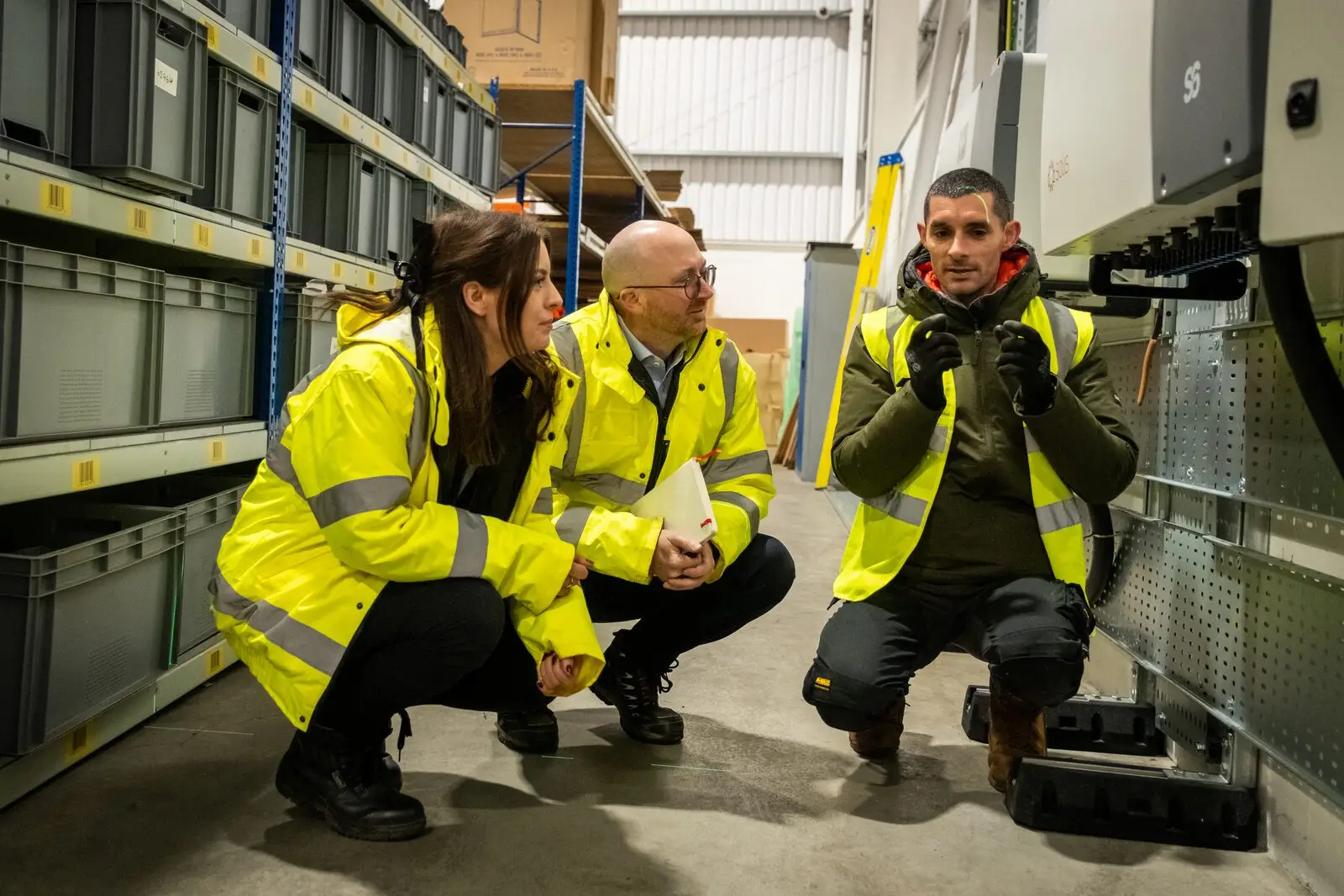
An engineer traces the distribution from the incomer to each unit and load.
A drawing and schedule of every meter point, agreed with you before any work.
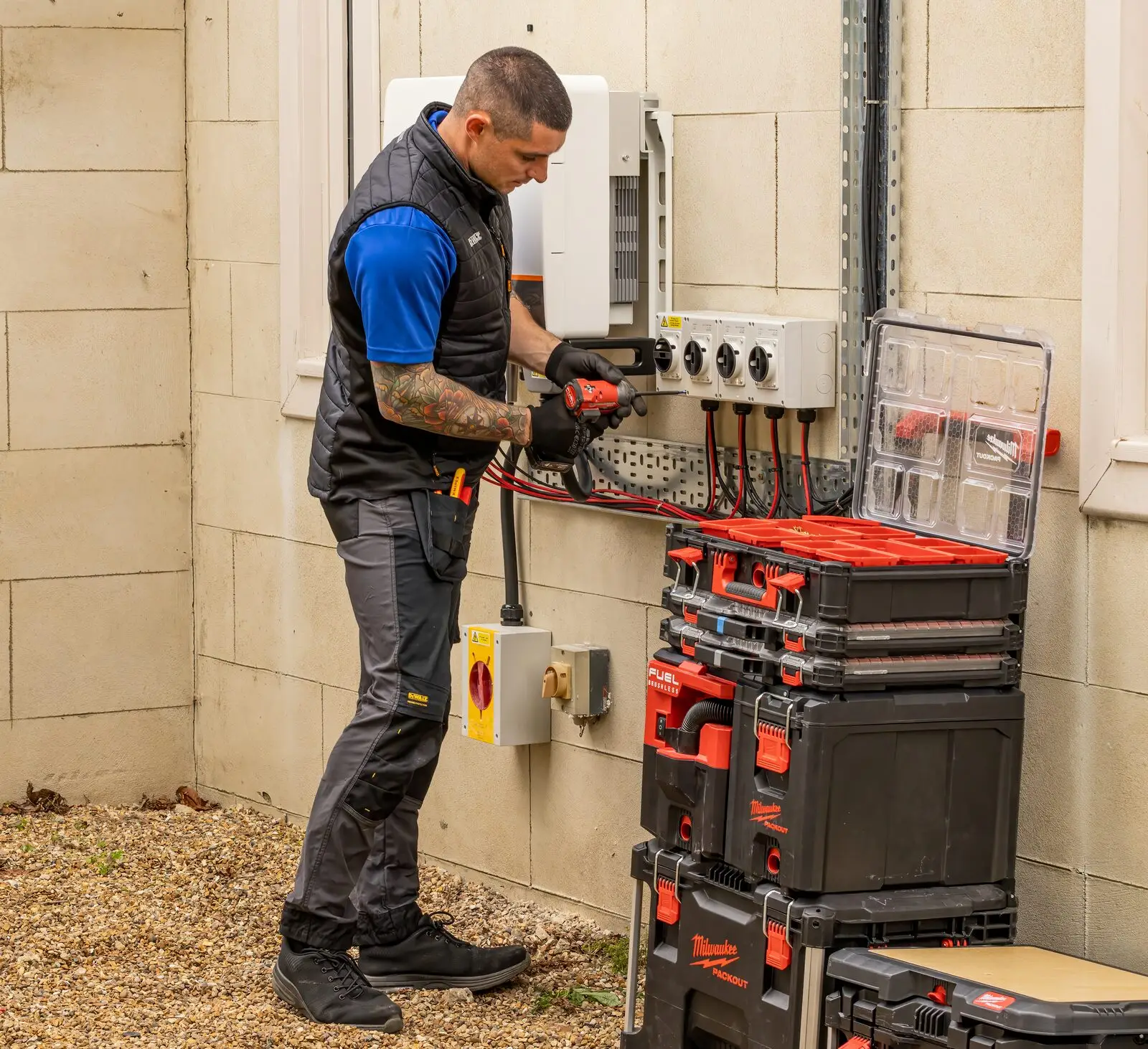
Meters fitted by Potentia electricians, with shutdowns planned around your tenants.
Each meter is tested and proved on the platform, and an account is opened for each occupier.
Monthly statements, alerts on a failed meter and support from our team.
Sub-metering can be fitted to any building. Many sites start here, and use the data to decide on solar, storage or EV charging.
Existing meters, head-end systems and building management systems can often be connected to the platform rather than replaced, subject to survey.
One portal across supported inverter, battery and charger manufacturers.
There are two parts: a one-off cost to survey, supply and install the meters, and a monthly charge for each meter that covers readings, the portal, statements and support.
| Item | How it is charged |
|---|---|
| Survey and metering schedule | A fixed fee |
| Meters, current transformers and installation | For each site |
| Site controller | One per site |
| Readings, portal, statements and support | Per meter, per month |
| Energy display screen | Per screen, per month |
Statements show the measured energy for each occupier. Invoicing and collection stay with your own accounts system.
Tell us the site, the number of units and what you want to measure. An engineer will arrange the survey.